I Built dentalist.ai. Here's the Bet I'm Making on AI Matching.
Pete Johnson
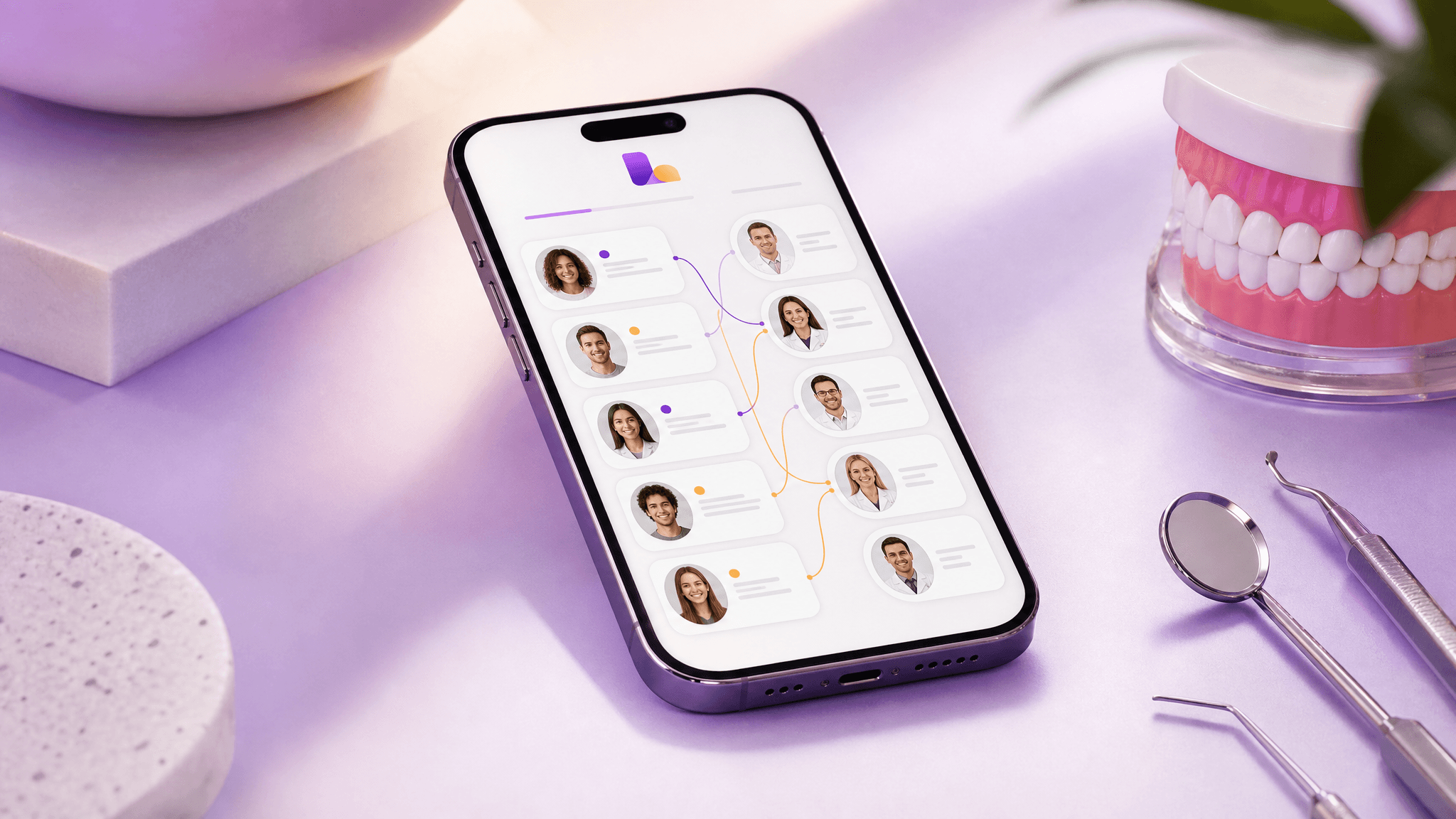
The way most people pick a dentist today is broken.
You run a search, scroll past four ads, click into a results page that ranks practices by who paid for the top spot, then scan a star rating that tells you nothing about whether the practice is gentle with anxious patients, runs on time, or actually takes your insurance. You make the appointment and hope.
I built dentalist.ai because that whole stack is upside down. The patient is the customer. The match should be based on what actually matters to them. Not on who has the biggest paid-search budget.
Here's the bet I'm making.
The Old Discovery Stack Has Three Problems
Three things make patient-side dental discovery feel broken:
1. Star ratings are too coarse. A 4.7-star average tells you almost nothing useful. Was the rater there for a cleaning or a root canal? Did the practice handle their anxiety well? Did the front desk fight with their insurance? A single number flattens fifty dimensions of patient experience into one digit.
2. Paid placement masquerades as relevance. Most of the tools out there rank practices that paid to be at the top. That is an ad product. It is not a match.
3. The query is wrong. Searching by location is a proximity question, not a fit question. A patient with anxiety, a kid in tow, and a budget concern doesn't need the closest practice. They need the right one. There's no input field for that on most sites.
I've watched practices win or lose patients based on tiny signals that the current tools have no way to surface. Whether the team is bilingual. Whether they handle sedation well. Whether they can see a kid in a hurry. Real dental marketing already optimizes for these things. The discovery layer hasn't caught up.
What dentalist.ai Does Differently
The whole product runs on one principle. Match a patient to a practice on the things that actually matter to them. Use AI to weigh those signals, not a single blended star rating.
Three things make it work.
Vibe Prediction Across Thirteen Dimensions, Not One Star Rating
For every practice in the system, an LLM runs what we call Vibe Prediction. It reads verified signals (NPI data, specialties, services, hours, and Google ratings) and forecasts how the practice will actually feel across thirteen dimensions, not one blended star rating. Bedside manner. Pain management. Staff and front desk. Wait times. Kid-friendliness. Technology. Cleanliness. Value and cost. Communication. Anxiety handling. Scheduling. Follow-up care. Cash pricing.
A 4.7-star practice that's great for routine cleanings but rough with anxious patients gets surfaced for the right query and hidden for the wrong one. Same data, smarter interpretation.
A Conversation, Not a Search Box
The front door of the site is not a search box. It's Dee, a small character who asks you what you actually need. "I'm scared of needles." "My kid hates the dentist." "I need someone who takes Cigna." She turns plain language into structured search, then shows you why each result was surfaced.
The transparency matters. Every match comes with a one-line reason. "She specializes in pediatric care and scores high on anxiety handling for first visits." "Strong on communication, and she takes the insurance you need." Patients don't have to trust a black-box rank. They see the work.
This is the same shift I wrote about in ChatGPT local search for dentists. When AI mediates discovery, the practices that win are the ones whose substance is visible in their reviews, their site, and their public profile. Generic SEO copy stops mattering.
No Pay-for-Placement, Ever
Every practice on the site is verified through the NPI registry. Founding 100 practices get a free Premium tier, and that's it. Practices cannot buy their way to a higher match score. Ranked by fit, not ads. If that principle ever bends, the product is dead.
The Founding 100 Program
I'm running a Founding 100. The first 100 practices to claim their profile get the Premium tier free for life. That includes a custom profile, the AI-matching surface, review intelligence, and a free backlink badge they can drop into their own website.
The badge is doing real work for both ends. It gives the practice a visible "I'm part of this" signal for patients already on their site. The underlying link sends an authority signal between the practice's own domain and a verified profile on the matching engine. Both ends benefit. The practice gets a link from a verified network. The network gets a link from a real local business.
There are more than 199,000 practice profiles in the system right now, scraped clean from the NPI registry, with the AI matching layer live across all of them. The Founding 100 is the wedge for the marketplace turn. Once 100 practices are claimed, owner-managed, and pushing patients, the network effect compounds.
What I've Learned in the First 60 Days
A few surprises from the early data and the first round of practice conversations.
Practices think star ratings are an asset. Patients ignore them. Almost every practice I talk to leads with their Google rating. When I look past the star rating to what patients actually write, the number barely correlates with the dimensions they care about. A 4.9-star practice with thin, generic reviews loses to a 4.6-star practice whose reviews call out anxiety handling by name.
The "I have a budget question" query is the most underserved. Nobody wants to ask their dentist what something costs. The practices that publish pricing, or even rough ranges, get an outsized share of matches for that intent. Dental marketing has been allergic to price transparency for twenty years. The patient demand has been there the whole time.
Owner-managed profiles convert dramatically better than unclaimed ones. Same practice, same reviews, same data. The difference is that the owner has filled in the human details. Photos of the team. A note about why they got into dentistry. Their own language about anxious patients. The matching engine doesn't care, but the patient absolutely does.
Specialty queries are dominated by general dentists. Search any city for "pediatric dentist" or "Invisalign provider" and a third of the top results are general dentists with one Google category tag. Patients can't tell the difference. The sentiment engine can, because the reviews are explicit about who the practice actually serves.
Where This Goes Next
The current product is the consumer surface. The bigger bet is what happens when AI agents start booking appointments on behalf of patients.
That world is closer than most people in dental think. I wrote about it in detail in Agentic AI Is Coming for Dental Marketing. ChatGPT, Claude, and Gemini are all racing to integrate with structured commerce. A patient who asks an AI assistant "help me find a practice that handles my anxiety and takes Aetna in Houston" should get a real recommendation with a real booking flow. Not a search result.
dentalist.ai is being built so the AI assistant has somewhere structured to look. The schema layer, the matching API, and the verified-profile system are the foundation. The Founding 100 are the early winners in the new layer.
How to Get Involved
If you run a dental practice and want a free Premium profile while there are spots left, claim your practice on dentalist.ai. It takes about a minute and verifies you through the NPI registry. The Founding 100 keeps the Premium tier for life.
If you're a patient who has spent twenty minutes scrolling results and still doesn't know where to book, go ask Dee. She's faster.
If you're building in dental tech and want to talk about what an AI-native discovery layer means for the industry, you know where to find me.
Keep reading
All articlesWant to see this in action for your practice?
Book a free discovery call and I'll run a competitive analysis. On the house.
Book a Discovery Call