What I've Learned From 20+ Dental Speaking Engagements
Pete Johnson
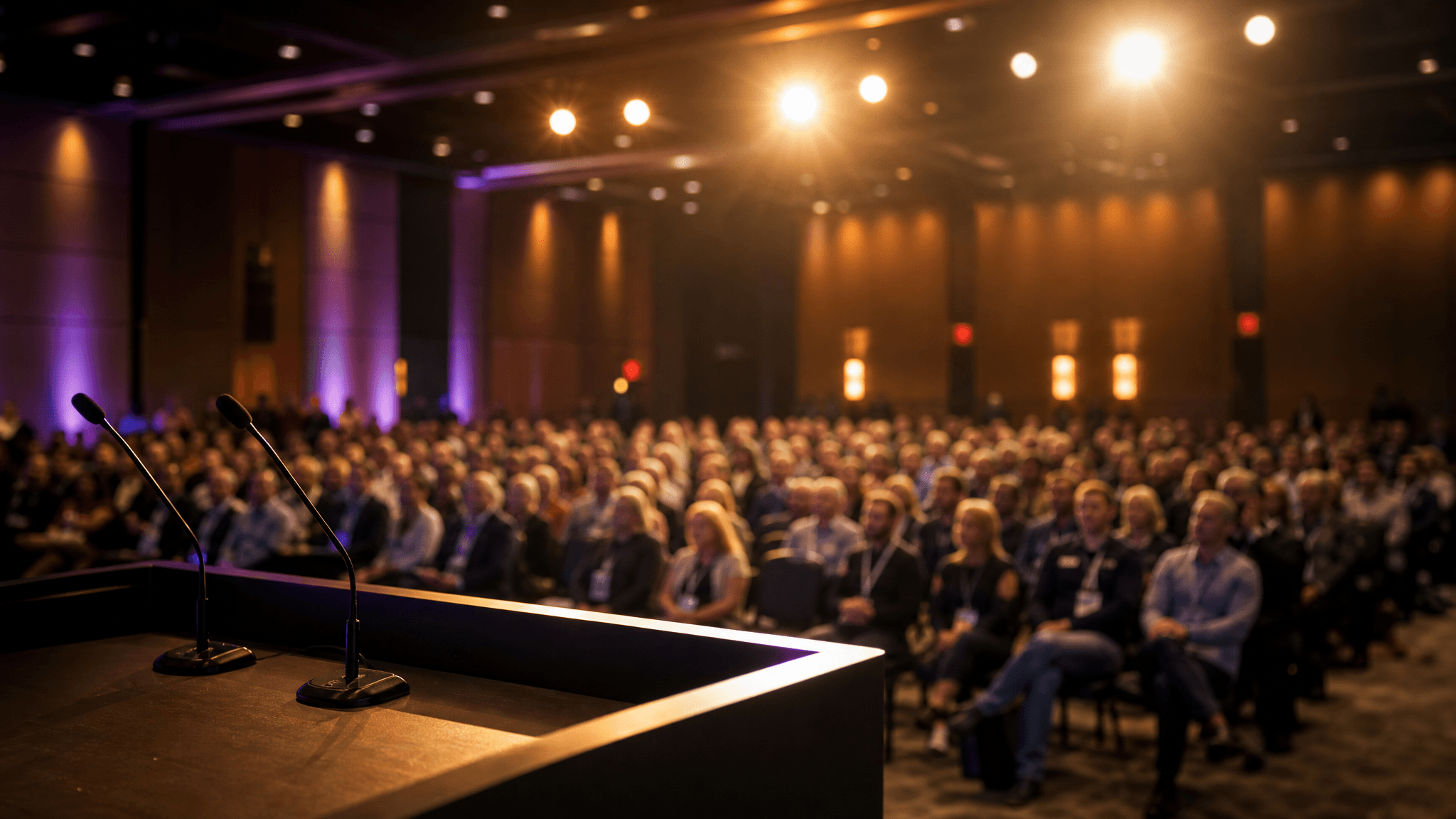
I've done 20-plus speaking engagements in dentistry now, and one of the weirdest parts of speaking is how much you learn after the slides are over.
Not just from the talk itself.
From the room. From the hallway. From what people ask after. From what they don't ask.
After enough events, patterns get hard to ignore.
Here are the biggest things I've learned so far.
1. The Room Knows Fast If You're Real
It takes maybe five minutes.
Sometimes less.
People can feel whether you're speaking from actual work or from polished distance. The more current the topic, the faster they can tell.
2. Specificity Beats Energy
Energy matters. It is not the thing.
A room will forgive a quieter delivery faster than it will forgive a vague talk.
Specificity is what makes people start taking notes.
3. Live Demos Change the Temperature
Live demos are risky. They can break. They can wobble. They can create tension.
They are also one of the fastest ways to turn a passive session into an active one.
People lean in when they believe the speaker is showing them something real.
4. Audiences Are Tired of Being Pitched
This one has only become more true.
People are not anti-commerce. They are anti-waste.
If they took time away from work, paid conference fees, flew somewhere, and sat in your session, they want something usable.
If they feel trapped inside a disguised ad, the trust disappears immediately.
5. The Best Questions Usually Come After the Session
The hallway questions are often better than the stage questions.
That's where the real friction shows up:
- "How would this work in my market?"
- "Would this still apply if we're PPO-heavy?"
- "What if my office manager can't execute that?"
Those conversations are often where you find the next talk.
6. The Strongest Topic Right Now Is the One People Are Already Worried About
This is why AI search has so much energy around it.
It is not just "interesting."
It is already creating uncertainty around patient acquisition, websites, local search, and reviews.
Good speaking topics usually already have pressure behind them.
7. Audiences Respect Candor
If something is messy, say it's messy. If something is overhyped, say it's overhyped. If no one has the perfect answer yet, say that too.
Candor creates trust faster than polish.
The Short Version
After 20-plus speaking engagements, here's what seems most true:
the room can feel authenticity fast, specificity matters more than performance, live demos raise attention, and audiences are starving for useful honesty.
That is probably why I keep saying yes to the stage.
Because when the session is good, you can actually feel the room get more capable.
And that still feels worth doing.
For the more formal version of how I think about speaking, read Why I Speak at Dental Conferences. And if you're the one doing the booking, I keep a working list of the dental marketing speakers worth putting on stage in 2026.
Sources
- American Dental Association: Continuing Education Recognition: CERP's 2026 standards. Instructors have to be qualified in what they teach and, for clinical CE, disclose financial ties to commercial companies.
- Dental Economics: Industry coverage of dental speaker programs and conference programming.
- American Society of Association Executives: speaker industry data: Professional speaker industry research and speaker evaluation frameworks.
- Academy of General Dentistry: AGD-approved CE event database tracking speaker rotations and audience size.
- Group Dentistry Now: DSO publication covering keynote programming at major industry events.
Keep reading
All articlesWant to see this in action for your practice?
Book a free discovery call and I'll run a competitive analysis. On the house.
Book a Discovery Call